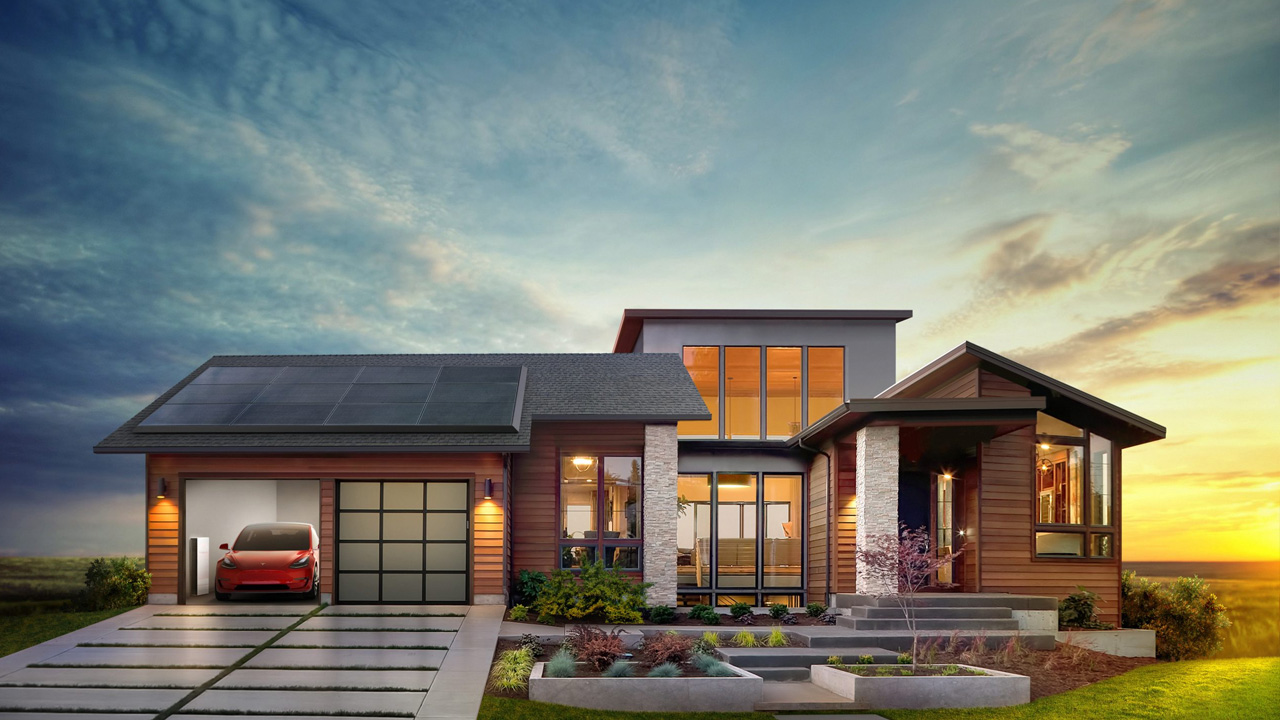
Top 10 Eco-Friendly Materials for Building Your Energy-Efficient Fortress
Building an energy-efficient fortress starts with choosing the right materials. Eco-friendly options not only contribute to a sustainable environment but also enhance the overall energy efficiency of your home. Here are the top 10 eco-friendly materials to consider:
- Bamboo: This renewable resource grows rapidly and can be used for flooring, cabinetry, and even structural elements.
- Recycled Steel: Steel sourced from recycled materials is both durable and energy-efficient, significantly reducing resource consumption.
- Straw Bale: Known for its incredible insulation properties, straw bales are an excellent choice for thermal performance.
- Hempcrete: This biocomposite is made from hemp fibers and lime, providing thermal insulation and a low carbon footprint.
- Wood from Sustainable Sources: Certifications like FSC (Forest Stewardship Council) ensure that the wood you use is sourced responsibly.
Continuing with our list, we explore more eco-friendly materials that enhance your building's sustainability and efficiency:
- Recycled Glass: This stylish option can be used for countertops and tiles, offering beauty while promoting recycling.
- Natural Stone: While it requires energy to quarry, its durability and longevity often outweigh the initial environmental costs.
- Earth Bags: Utilizing soil-filled bags for construction is a budget-friendly and natural way to build.
- Wool Insulation: This natural insulator regulates temperature effectively while being biodegradable.
- Adobe: Traditional and eco-friendly, adobe bricks composed of clay and straw are both insulating and sustainable.
How to Design an Energy-Efficient Home: A Step-by-Step Guide
Designing an energy-efficient home is essential for reducing your carbon footprint and saving on utility bills. To start, assess your current situation by evaluating your home's insulation and sealed windows. Proper insulation not only helps maintain a consistent indoor temperature but also minimizes the need for heating and cooling systems. Here's a step-by-step process to create your energy-efficient sanctuary:
- Conduct an energy audit to identify areas for improvement.
- Choose energy-efficient appliances that consume less electricity.
- Install energy-efficient windows to reduce heat loss.
Next, consider integrating renewable energy sources, such as solar panels, into your home design. Not only does this reduce dependency on non-renewable energy, but it can also result in significant savings over time. Additionally, adopting sustainable landscaping practices can enhance your home's energy efficiency. Use native plants that require less water and consider strategically placing trees to provide shade to your home during warmer months. By taking these steps, you will not only create a comfortable living environment but also contribute positively to the environment.
What Are the Benefits of Building an Eco-Friendly Sanctuary?
Building an eco-friendly sanctuary offers numerous benefits, both for the environment and for individuals seeking a harmonious living space. Firstly, it promotes sustainability by using renewable materials and minimizing waste. This not only reduces your carbon footprint but also helps preserve natural resources for future generations. By integrating energy-efficient solutions, such as solar panels and rainwater harvesting systems, homeowners can significantly lower their utility bills while contributing to a healthier planet.
Furthermore, an eco-friendly sanctuary enhances the quality of life for its inhabitants. Living in a space filled with natural light and fresh air greatly contributes to mental well-being and can even improve physical health. Many eco-friendly designs prioritize green spaces, which encourages outdoor activities and fosters a deeper connection with nature. Overall, building an eco-friendly sanctuary not only protects the environment but also creates a nurturing and rejuvenating environment for its residents.